

Natural Beeswax and Coconut Oil

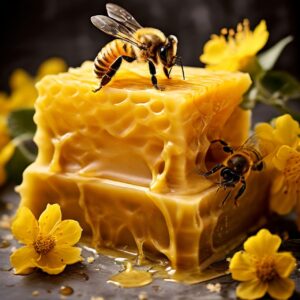
Exotic woods are prized for their beauty, rich grain patterns, and exceptional durability. To preserve their elegance and protect them from everyday wear and tear—especially in kitchens and dining rooms where wood is exposed to water, grease, and food—it’s essential to treat them with a suitable protective finish. For those seeking a health-conscious, environmentally friendly solution, a homemade natural wax based on beeswax and coconut oil is an excellent choice.
This article explains how to make this natural wood finish, why it’s ideal for exotic wood, and how to apply it effectively to ensure long-lasting protection.
Why Choose a Natural Beeswax and Coconut Oil Finish?
Traditional wood finishes often contain chemicals and solvents that can be harmful, particularly when applied to wood surfaces that come into contact with food. Natural waxes made from beeswax and coconut oil offer a non-toxic, food-safe alternative that nourishes the wood while providing excellent protection against water, grease, and food stains.
This type of finish is ideal for wooden countertops, dining tables, cutting boards, and serving trays—especially when made from exotic woods like teak, rosewood, zebrawood, or monkeypod. Not only does it enhance the grain and bring out the natural color of the wood, but it also creates a water-resistant barrier that keeps the surface looking beautiful and clean for years.
How to Make the Natural Wood Wax
Making your own wood finish is straightforward and requires just two natural ingredients: beeswax and virgin coconut oil.
Ingredients:
- 1 part beeswax pellets or grated beeswax
- 3 parts virgin coconut oil
Instructions:
- Melt the ingredients together: Place the beeswax and coconut oil in a heatproof container or glass jar. Use a double boiler or a bowl over a pot of simmering water to gently heat the mixture until the beeswax is fully melted.
- Stir and blend: Stir the mixture thoroughly until it becomes a uniform liquid.
- Cool and store: Pour the warm blend into small jars or tins. Allow it to cool completely before sealing with lids. The final product will have a soft, balm-like consistency that is easy to apply.
This homemade wax will keep for several months when stored in a cool, dry place.
How to Apply Natural Wax to Exotic Wood
To get the best results and ensure deep penetration and long-lasting protection, follow these steps when applying the wax:
- Prepare the wood surface: Make sure the wood is clean, dry, and sanded smooth. Remove any dust with a soft, dry cloth.
- Apply the wax: Using a clean microfiber cloth, scoop a small amount of wax and rub it onto the surface of the wood in circular motions. Cover the entire surface evenly, including corners and edges.
- Heat the wax: After applying the wax, gently heat the surface with a blowtorch (set to a low flame) or a heat gun. This step helps melt the wax further, allowing it to penetrate deep into the wood fibers. Be careful not to scorch the surface—keep the heat moving and avoid prolonged contact in one area.
- Let it soak and cool: Allow the wax to settle into the wood for at least 30 minutes. The wood will absorb the wax, creating a durable and water-resistant protective layer.
- Buff the surface: Once the wood has cooled, buff the surface with a clean microfiber cloth or soft brush to remove any excess wax and give the wood a smooth, satin sheen.
Ask the Experts
If you’re working with rare or delicate exotic woods and would like personalized advice on finishing or maintaining them, don’t hesitate to contact our team of exotic wood experts. Whether you’re a seasoned woodworker or a homeowner looking to preserve your furniture naturally, we’re here to help you bring out the best in your wood projects.
Tailor-made exotic wood furniture
Let’s make something amazing together
Location
British Columbia & Alberta, CANADA
Phone
(+1) 780-212-1148
royaltreewoodco@gmail.com